
Since I started Save the Homies and got into real conversations with Black men about their health, I’ve been listening differently. My background is as a clinical health coach, and one of the first things you’re taught is how to hear what someone is actually saying. Not just the words coming out of their mouths.
People don’t always say “the thing”. They say something next to it. Around it. Sometimes the
opposite of it.
So when I’m sitting down and interviewing brothers, and we start talking about prostate exams, going to the doctor, getting checked. I started to notice a pattern. The jokes. The deflection. The
“I’m good.” The “I’m fine.” What I kept hearing underneath all of it was one thing: I’m afraid.
Not weakness or ignorance, but real human fear.
If we are being honest, there’s this weird comfort in not knowing. You know you should get
checked. You think something might be off. But the thought of finding out there’s actually
something wrong? That thought is scary enough to just…not go.
There’s almost a logic to it. I don’t know, I can’t be sick. If I don’t go, it can’t be real.
Except that’s not how this works.
And here's the thing about control, which may be underneath all of this. We can't control if cancer shows up. But we can control when it's detected. That's not a small thing. That's everything. Early detection doesn't take away your power. It gives it back to you. It means you get to make decisions, fight on your terms, and be in the room. Waiting doesn't protect you from the diagnosis, but it can take away your options.
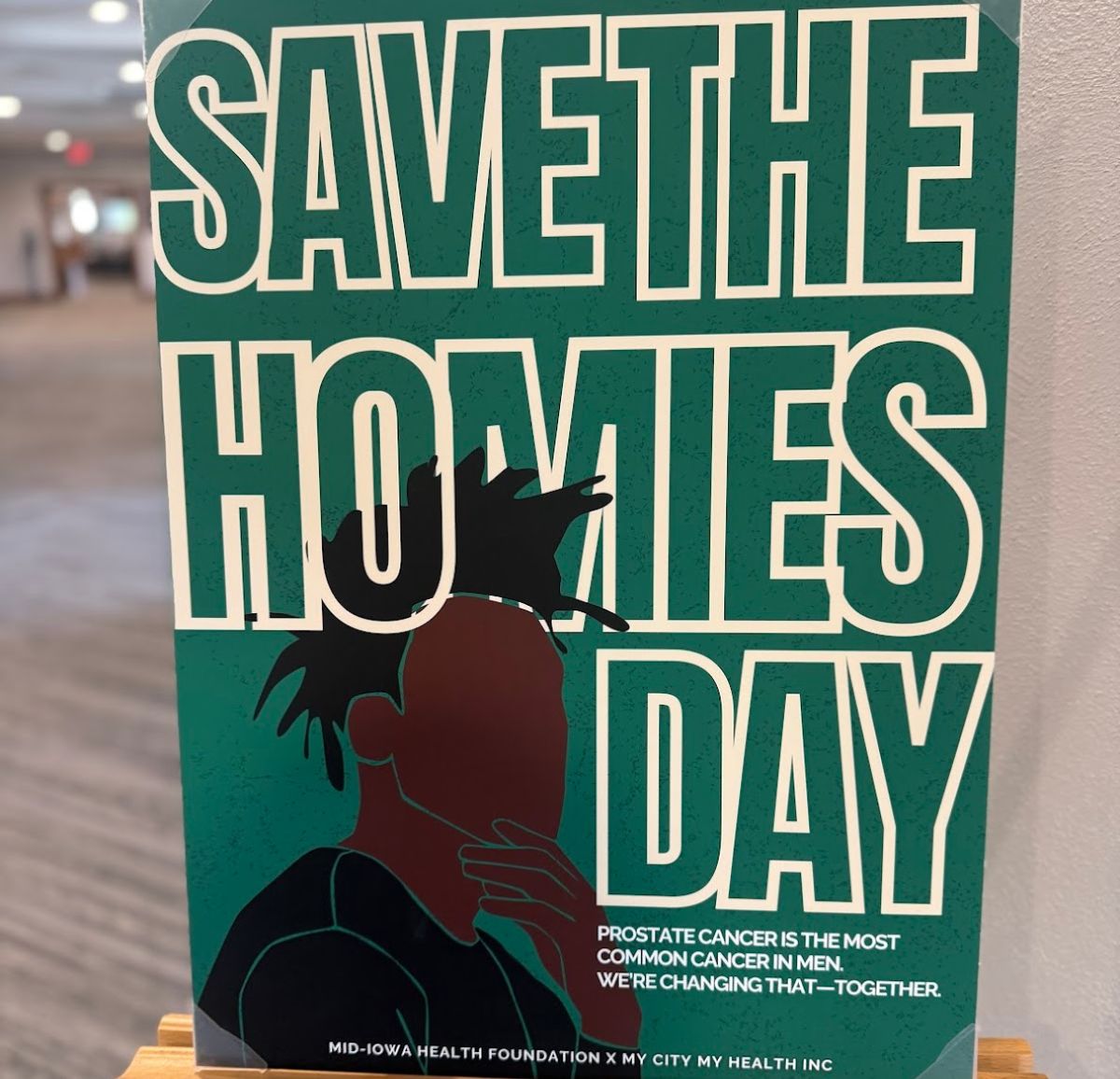
300 men die from prostate cancer every year in the state of Iowa alone. Prostate cancer is one of the most preventable and treatable cancers if caught early. But we joke about prostate exams. I get it - humor is a release valve. But I keep thinking about the 300 men, their families and friends who had to show up to their funerals. There’s nothing funny about that.
A lot of those men knew something was wrong. Some probably even told themselves they’d go to the doctor soon. But fear kept pushing the appointment back. The comfort of not knowing kept winning.
And I think about the men who did go. Those who caught it early, who are now enjoying their
kids, grandchildren, the summer time cookouts, and are now able to pass their wisdom and
lived experience on to the next generation. The difference was not that they were fearless. The difference was that they chose to find out what was happening with their health.
So let’s call it what it is. Not weakness. Not “being bad at health stuff.” But fear. Real,
understandable, human fear. We can acknowledge it and still decide to make a move anyway.
I’m not trying to scare you. I am you. I’ve sat in that place where it feels easier not knowing. And
I’ve been doing this work long enough to understand that the fear is real. Valid. And it’s killing
us.
Choosing to know what is happening with your health is an act of love for yourself and for the people around you who need and want you here. If you’ve been putting it off. This is for you.

Advocates connect through a shared commitment to improve health outcomes.

Amal Barre's research and advocacy efforts address housing instability and the sense of belonging in the community.

New report highlights central Iowa Latinos contributions and disparities and elevates Latinx leaders

Outcomes from Mid-Iowa Health Foundation's HealthConnect Fellowship, October 2019-June 2021

How nonprofit leaders brought attention to the Latinx community and built new systems of support during the pandemic








.webp)


